| Famous, Eventually |
| Scene, Stealers |
| Pixels, Popcorn |
| Cult, Actually |
| Franchise, Flogged |
| First, Role |
| Rewind, Corrected |
In 1996, Freeway took the familiar “girl meets serial killer” thriller setup… and tore it apart.
Read transcript
Sometimes, you come across a film that doesn’t want your sympathy, your approval, or to make you comfortable.
Freeway is one of them.
Describing it makes it feel familiar.
Troubled teenage girl.
A lift from the wrong man.
A serial killer hiding in plain sight.
We've all seen that story before, more than once.
But what Freeway does is take that setup and then, rather aggressively, forces you to reject everything you think you know.
Let's take a look at what makes Freeway - Cult, Actually.
[intro]
This isn’t just a crime story and it’s far from new.
It’s a tale that dates back to the 1600s.
It’s Little Red Riding Hood - dragged out of German folklore and dumped into American suburbia.
Except, the wolf isn’t charming, the road isn’t symbolic and Red doesn’t learn a lesson.
The film doesn’t try to hide what it’s doing, it's not trying to be clever in any way - The opening credits spell it out for you if nothing else.
Freeway follows Vanessa Lutz, our Red.
As soon as the film starts it’s clear she’s not in a good place with her life - It’s slowly collapsing around her and there isn’t a lot of hope for her.
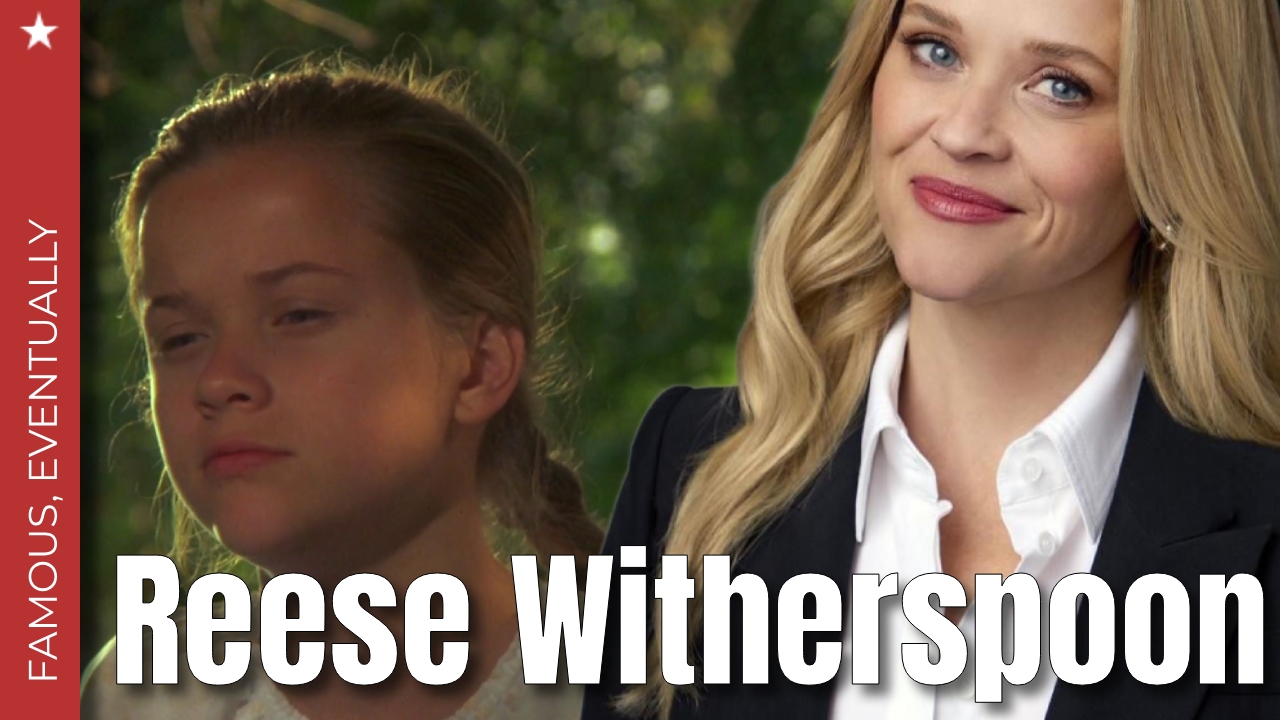
Red is brought to life by Reese Witherspoon - It’s an early role for her and it’s one that proved early on that she was capable of far more than anyone expected.
After her Mother is arrested for prostitution and her step father is taken away on drug and child abuse charges a social worker turns up and tries to take Vanessa away to a better life - But, she’s having none of it.
She ends up on the run, making a break for a new life with her Grandmother.
On the way there she breaks down and while she’s on the side of the road wondering what else can go wrong a helpful stranger pulls up and offers her a lift
Not really having a lot of other options, she accepts.
The man introduces himself as Bob Wolverton - He comes across as helpful, educated, and safe.
He isn’t.
I mean, the clue’s in the name - Right?
Kiefer Sutherland brings us his take on Bob - A welcome departure from playing the “cool bad guy” thing he was mainly doing at the time.
The two bond, quietly - She begins to open up to the nice man about her life and he opens up about being… A serial killer and subsequently tries to add Vanessa to his kill list.
Not one for messing about, Vanessa fights back - She shoots him several times and escapes to a nearby diner.
But - This is where it begins to unravel for her even further.
With her clothes being soaked in blood, someone raises the alarm and she ends up being taken into custody as she tries to leave.
What she doesn’t know is that Bobs survived the encounter, and gotten his story in first - He’s played the victim.
He’s been disfigured and been made handicapped by Vanessas shooting, he’s well to do with a socialite girlfriend.
So, when she’s interviewed - the Police simply don’t believe her because of who she is compared to him - She’s no credibility and her attitude doesn’t help anything.
But Freeway isn’t interested in the tragedy of the crime; it’s interested in the absurdity of the aftermath
Vanessa is forced into a justice system that has no interest in context or nuance - She finds herself in prison making quick friends of the people who can help her most.
After she pretty much accepts that there is no help coming for her from the outside, she makes her escape from Prison and continues on with her plan to get to her Grandmothers.
Only - Well, we all know the tale - and who is waiting for her when she does eventually get there.
She survives because she outright refuses to follow the hand she’s been dealt.
Vanessa Lutz is not a likeable character - And that’s kind of the point.
She’s angry.
She’s crude.
She’s impulsive.
She swears constantly, lashes out at everyone around her, and refuses to soften herself for anyone’s comfort.
In practically any other film, she’d be the cautionary tale - the protagonist - Freeway never apologises for that.
Bob Wolverton is one of the most openly grotesque villains of the 1990s.
Not stylised.
Not charming.
Not mysterious.
He’s sweaty, smug, cruel - and deeply convinced of his own intelligence.
The film makes him repellent on purpose, because it wants to strip away the myth of the “interesting” serial killer.
There is nothing fascinating about him.
He’s small, vicious, and entitled - and the film treats him with the contempt he deserves.
When Freeway was released, it confused people.
It was too nasty to be mainstream, too funny to be taken seriously and altogether too angry to be comfortable.
Critics didn’t know what to do with it.
Laugh? Recoil?
Audiences weren’t sure what they were supposed to feel when Vanessa refused to be redeemed, reformed - Or even likable, really.
But - The confusion of it all is exactly why the film survived.
Because cult films don’t need consensus.
They just need a group of people who get it - eventually.
Freeway found its audience the same way a lot of other cult films do - Video and late night screenings saved it, and it was eventually found by people who recognised that its ugliness was the point.
This is where Reese Witherspoon’s performance properly comes into play.
Vanessa doesn’t respond with fear - But with rage, survival instinct, and an almost feral refusal to be reduced to a victim.
It’s messy. It’s not empowering in a neat, cinematic way.
And it doesn’t offer the audience the release they’re used to.
But it does feel honest.
This was years before Reese Witherspoon became a household name.
Years before the carefully managed image, the rom-com era, or the prestige drama reinvention.
And yet, watching Freeway now, it’s obvious this wasn’t an accident or a fluke.
The control, the timing, the willingness to go too far - it’s all already there.
If anything, Freeway feels like a performance Hollywood didn’t quite know how to use… so it quietly moved on.
What makes Freeway uncomfortable isn’t the violence.
It’s the refusal to frame that violence in a way that feels safe or familiar.
Freeway failed, comfortably
Unusually for a film that landed as flat as this one did, it got a sequel just a few years later, Freeway 2 - Confessions of a Trickbaby.
And, it had the same kind of problems as this film did with the unlikeable characters - Intentionally so - it was a bold move not to look at Freeway and try and fix the reasons it didn’t do so well.
It had no returning cast, but it has the same idea of putting an old story through a modern lens, this time it was Hansel and Gretel.
But, that’s a video for another day.
Freeway dares you to side with a character who doesn’t want to be saved.
And by doing that, it became something you don’t see very often.
A cult film that didn’t soften with time.
It remains abrasive.
It remains confrontational.
And it stays funny in ways that make you feel slightly bad for laughing.
And that’s exactly why Freeway endures.